
The truth is simple: bigfoot research needs to evolve. For decades, the community has clung to outdated methods, recycled narratives, and ego-driven leadership that refuses to acknowledge its own limitations. If we ever want real answers, it’s time for a shift.
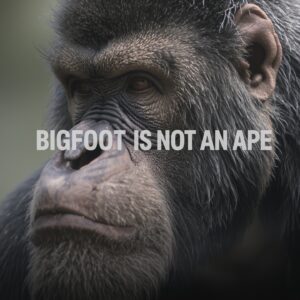
Most Bigfoot investigators still act like they’re hunting a wild animal. They look for broken branches, oversized footprints, or thermal blobs they can barely interpret. But what if the creature we’re looking for isn’t a mindless beast? What if Bigfoot is an intelligent, socially complex being with the ability to learn, observe, and evade detection?
These questions are not being asked enough. Instead, the community often ridicules new perspectives, especially those that don’t fit the classic “ape in the woods” narrative. This isn’t science—it’s dogma.
Why Bigfoot Research Needs to Evolve Right Now
The world has changed. We have technology that can scan forests, analyze sound spectrums, and apply AI to pattern recognition. Yet, most Bigfoot hunters are still using methods from the 1970s. It’s like trying to stream Netflix with a VCR.
Even worse, there’s almost no collaboration. Researchers hoard information, refuse to work together, and treat their areas like personal kingdoms. This isolation prevents us from connecting the dots across sightings, behaviors, and vocalizations.
Real progress requires data sharing, standardization, and transparency. Bigfoot research needs structure, ethics, and a push toward contact—not endless speculation.
This blog—and my book, Unmasking Bigfoot—is a call to action. Not to hunt, not to trap, but to listen, learn, and interact. If Bigfoot is intelligent, we must be more intelligent too.